In 1733 John Peter Zenger began publishing newspapers in New York to voice opposition onerous polices of newly appointed colonial governor William Cosby. Cosby issued a proclamation criticizing Zenger's newspaper scandalous and seditious reflections. In November 17,1734 ,Zenger was sent to prison, after eight months he went to trial. This was where Hamilton decided to plead his clients case directly to the jury. After hearing both sides Zenger was proven innocent.
Another good example of Freedom of Press would all the frequent press coverage against Governor's Janet Brewers passing of Anti-Immigration Law directly targeted against Mexican immigrants into Arizona, It has caused lots of controversy and many different sides have been
taken.

Monday, September 20, 2010

Freedom of the press(:
John Peter Zenger began publishing news papers in the big apple to show his position to the newly appointed colonial governor William Cosby.When he arrived he started having fights with the Council of the Colony over his salary.Since he couldn't control the council he removed Chief Justice Lewis Morris, replacing him with James Delancey of the royal party and Zenger started publishing weekly journals. The Governor saw him as a threat and got mad and arrested Zenger for seditious libel. Eight months later he was sent to trial.The jury decided he wasn't guilty.
Even though we have had freedom of press for more than 260 years , we still don't have complete freedom. For example the deaths across the line. When the deaths started to accured they were all over the news and when the deaths started getting gruesomer and more often the journalist started covering it up because they didn't want to get in trouble.
John Peter Zenger, Truth Be Told
Upon arrival at New York colonial governor William Cosby began taking opposition for his policies in New York. john Peter Zenger, a colonist published a newspaper titled Zenger's New-York Weekly JOURNAL. Cosby plunges into a quarrel with the council of the colony over something as simple as his salary. Thus, unable to control the state's Supreme Court he removed Chief Justice Lewis Morris and replaced him with James Delancey who was from the Royal Party. All the while Zenger, backed up by the popular party continued too publish his articles against governor Cosby. Cosby has an outrage and declares Zenger's Newspaper "divers scandalous, virulent, false and seditious reflections.". Zenger was then arrested for seditious libel. After approximately 7 years in prison Zenger was taken to trial and defended by Andrew Hamilton, from Philadelphia. During the trial Hamilton did not plead to the judge, but to the jury. At the end of the trial, the jury had a verdict; not guilty.
During Zenger's case, one of Hilton's important points was that the if something could be proven, in this case Zenger's statements then it could not be libel. Hamilton thus proved that their was freedom of the press in America. Now 260 years later, the press has a lot more freedoms than it did back then. However the press's freedom is still substantially limited to what they can report and report on. The oil spill in the gulf of Mexico, the unknown cause of Michael Jacksons death, and limited information in the middle east are just some examples of limited freedom of the press.
When Peter Zenger spoke his mind about the newly apointed governor, William Cosby, he was sent to jail. William Cosby accused him of "divers scandolous, virulent, false and seditious reflections" so Peter was arrested and charged with seditious libel. Fortunatly, Andrew Hamilton, Peter's lawyer, pleaded his case directly to the jury at a trial. The jury decided not guilty. Hamilton also stated that it is not considered libel if it can be proven. " The truth is an absolute defense against libel". Because of this statement it affirmed freedom of the press in America.
There is now freedom of press. Though, there are a few things that arent aloud to be said or published. For example, Nogales Sonora is filled with gruesome stories and pictures. They used to be more liberal about what they posted in the newspapers. Though things in Mexico started getting out of hand. Now they have to think twice before posting things on the newspaper, most importantly photos. It seems that not only the government gets offended but people might get offended or angered too.
There is now freedom of press. Though, there are a few things that arent aloud to be said or published. For example, Nogales Sonora is filled with gruesome stories and pictures. They used to be more liberal about what they posted in the newspapers. Though things in Mexico started getting out of hand. Now they have to think twice before posting things on the newspaper, most importantly photos. It seems that not only the government gets offended but people might get offended or angered too.
John Peter Zenger Trial
John Peter Zenger was a newspaper journalist who wrote about his opposition to the policies of the new colonial governor, William Cosby. William Cosby replaced the Chief of Justice, Lewis Morris, with James Delancey in order to control the state’s Supreme Court. Zenger continued to write articles about William Cosby and James Delancey and on November 17, 1734, John Peter Zenger was arrested for seditious libel. His work was condemned by Cosby as false and seditious reflections. He was in jail for more than eight months. In 1735, John Peter Zenger’s trial was held in New York City. Andrew Hamilton was a lawyer who defended Zenger during his trial. Hamilton decided to plead Zenger’s case directly to the jury. The jury came to a conclusion that John Peter Zenger was not guilty. This trial was the first victory for freedom of the press in all of the American colonies.
Today, there are many issues pertaining to freedom of the press. For example, in Georgia, a trial took place where the judge issued an order prohibiting reporters from publicly revealing the testimony given at the hearing. One of the reporters present in the trial stated that there was no record of the judge’s order in the court clerk’s office, but the judge’s oral order prohibits reporting of the testimony of the hearing and the names of the people who testified. This is just one example of an issue pertaining to freedom of the press.
-Marcel Chamberlain
Today, there are many issues pertaining to freedom of the press. For example, in Georgia, a trial took place where the judge issued an order prohibiting reporters from publicly revealing the testimony given at the hearing. One of the reporters present in the trial stated that there was no record of the judge’s order in the court clerk’s office, but the judge’s oral order prohibits reporting of the testimony of the hearing and the names of the people who testified. This is just one example of an issue pertaining to freedom of the press.
-Marcel Chamberlain
John Peter Zenger
In 1733 John Peter Zenger began publishing a newspaper in New York to voice his opinion over the new policies of the newly appointed governor William Cosby. Many members of the popular party supported John Peter Zenger's article about William Cosby. Cosby had enough of Zenger's article and issued a proclamation blaming the new paper that it was scandalous,virulent, and it had false assumptions. On November 17, 1734 Zenger was arrested and charged with seditious libel. After 8 months in jail Zenger went to trial with his lawyer Andrew Hamilton. Hamilton said that the precedent that a statement even if defamatory, it is not libelous if it can be proved. Then American gave birth to freedom of the press.
Now 260 years later and the freedom of press is up and running but they still have a limit to what the people in the newspaper industry can say. They can't really say something big about someone or about a big thing like in the middle east. Maybe in the future they will actually give some information about the world and as citizens and inhabitants of the planet we have a right to know.
Sunday, September 19, 2010
Freedom of Press
When colonial governor William Cosby arrived to New York he wanted to control the state’s Supreme Court in order to control his salary. Unable to do so Cosby removed Chief Justice Lewis Morris, replacing him with James Delancey. Peter Zenger from the Journal published articles criticizing Cosby. In effect to the articles Cosby issued a proclamation towards Zenger`s newspaper accusing him of publishing false and scandalous articles. After eight month in jail Zenger went to trial. Andrew Hamilton, who was Zenger’s lawyer decide to take his client's case directly to the jury. When both sides finished presenting their arguments the jury returned with a verdict of not guilty. Hamilton established the precedent that a statement, even if defamatory, is not libelous if it can be proved, thus affirming freedom of the press in America. This case established freedom of press in the 13 colonies.
Although there has been freedom of press for more than 260 years there are still some areas that restrict it. An example is the recent war that has finalized. There is very little known about the troops and what was obtained by this. Also there very little information about what is going on in the Middle East. Maybe there will be more information given in the future when the troops return.
Saturday, September 18, 2010
FREEDOM!(of the Press) Peter Zenger 1734
For 260 years the amendment Freedom of the Press is what protects the media from being thrown in jail for just telling the truth. Well lets go back to that one day in 1734, the day that changed the colonies forever. It all started on February 23, 1734, on an issue of the New-York Daily Journal, CATO (journalist) wrote many articles that were very critical on the recently fired Governor William Cosby. Cosby saw these articles and put Zenger to trial, but Zenger countered it by hiring an illustrious Philadelphia lawyer Andrew Hamilton. By a unanimous decision the court found Zenger "Not Guilty". Hamilton went on and established the precedent that would be signed onto the constitution 57 years later on December 15, 1791 of what we now call home, The United States of America.
Throughout the years, freedom of the press is interpreted as that the press can write the truth about anyone who is involved in something big. One obvious example was Michael Jackson's death a year ago. Many tabloids were blaming Jackson's doctor for killing him, yet Michael was very aware that whatever he took could kill him, but he wanted it anyway. This incident was all over the news and Jackson's doctor didn't say a word about them because they were pretty much on the dot. Also, since we are in the U.S., all press were allowed in the investigations and basically let the public know the 411 on what was happening. The media outlets are all in a no holds barred war for dominance and whoever is the best truth teller, the first amendment will protect them no matter what.
Throughout the years, freedom of the press is interpreted as that the press can write the truth about anyone who is involved in something big. One obvious example was Michael Jackson's death a year ago. Many tabloids were blaming Jackson's doctor for killing him, yet Michael was very aware that whatever he took could kill him, but he wanted it anyway. This incident was all over the news and Jackson's doctor didn't say a word about them because they were pretty much on the dot. Also, since we are in the U.S., all press were allowed in the investigations and basically let the public know the 411 on what was happening. The media outlets are all in a no holds barred war for dominance and whoever is the best truth teller, the first amendment will protect them no matter what.
Peter Zenger and Freedom of the Press!
John Peter Zenger began publishing newspapers in New York in the end of the year 1733. He wanted to let the public know the rigorous policies of the colonial governor William Cosby. When William Cosby arrived to New York he encountered a strong discord with the Council of the colony over his salary. He was not able to control the states supreme court so he removed Chief justice Lewis Morris, replacing him with James Delancey of the royal party. Zenger’s New-York Weekly Journal, which were supported by the member of the party, continued to publish articles of the royal Governor. When Cosby got fed up he issued a proclamation who found the newspaper guilty of saying false and insubordinate things about him. On Sunday, November 17, 1734 Zenger was arrested and charged with seditious libel. After more than eight months in prison, Zenger went to trial defended by a Philadelphia lawyer Andrew Hamilton. The case became very popular and had a lot of public interest. At the end of all odd Hamilton decided to plead his clients case directly the jury.After the arguments for both sides were finished, the jury was retired, only to return shortly with a verdict of not guilty. To better understand the significance of this historic case it is important to examine an actual issue of the New-York Daily JOURNAL prior to Zenger's arrest. Here we see a typical attack against the government in Zenger's original newspaper as it originally appeared more than 260 years ago. In page 1 after successfully defending Zenger in this landmark case, Hamilton established the precedent that a statement, even if it was exhibiting unkind behavior or words, it is not false if it can be proved, which was affirming freedom of the press in America.
Also there is cases where right now people are still struggling with Freedom of the Press. Like this article. I think they do not want people to go in an see the real thing because their afraid that people are going to know the truth. Yet the truth needs to be known by every one.
Oil Spill Media Access: Government Wants Press Freedom, Pushes BP To Not Restrict Access WASHINGTON (AP) -- The federal government generally is not restricting news media access to oil spill disaster areas in the Gulf of Mexico and wants oil giant BP to do likewise, unless there are good security or safety reasons, a Coast Guard admiral said Monday.
Thad Allen, who is overseeing the federal response to the Gulf oil spill, said that "general guidance" had been issued that there were only two reasons why the media should be prohibited from an area: "If it's a security reason or a safety reason because of personal protective equipment."
"Other than that, we are putting no restrictions on access," Allen told a White House news briefing.
He was asked about complaints about instances in which journalists were being denied access to disaster sites.
"Now, we can't tell somebody to talk to somebody they don't want to. But my policy is, unless it's a security or safety reason, there is no restriction on access," Allen said.
Asked what he would do if a journalist wanted to take a picture of an oil-coated bird and was barred from doing so, Allen said that was "hypothetical."
"I guess somebody would have to give me the specifics of an incident and we'll go take a look at it," he said.
But in general, he said, "we'll follow up...I'll have a call with Tony Hayward," the London-based oil company's CEO.
Also there is cases where right now people are still struggling with Freedom of the Press. Like this article. I think they do not want people to go in an see the real thing because their afraid that people are going to know the truth. Yet the truth needs to be known by every one.
Oil Spill Media Access: Government Wants Press Freedom, Pushes BP To Not Restrict Access WASHINGTON (AP) -- The federal government generally is not restricting news media access to oil spill disaster areas in the Gulf of Mexico and wants oil giant BP to do likewise, unless there are good security or safety reasons, a Coast Guard admiral said Monday.
Thad Allen, who is overseeing the federal response to the Gulf oil spill, said that "general guidance" had been issued that there were only two reasons why the media should be prohibited from an area: "If it's a security reason or a safety reason because of personal protective equipment."
"Other than that, we are putting no restrictions on access," Allen told a White House news briefing.
He was asked about complaints about instances in which journalists were being denied access to disaster sites.
"Now, we can't tell somebody to talk to somebody they don't want to. But my policy is, unless it's a security or safety reason, there is no restriction on access," Allen said.
Asked what he would do if a journalist wanted to take a picture of an oil-coated bird and was barred from doing so, Allen said that was "hypothetical."
"I guess somebody would have to give me the specifics of an incident and we'll go take a look at it," he said.
But in general, he said, "we'll follow up...I'll have a call with Tony Hayward," the London-based oil company's CEO.
Thursday, September 16, 2010
Colonial America Infomercial
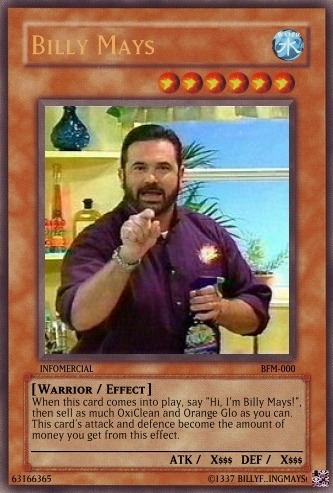
1.What colony is it and why is it special?
2.What is the geography of the colony? (cities, rivers, mountains, bays, etc)
3.What are the demographics of your colony?
4.Why should people move to your colony? (what do they get if they settle there?)
5.What makes it better than the other colonies?
6.Include one script per group; performance on Thurs., Sept. 16, 2010
MAKE SURE YOUR PRESENTATIONS ANSWER THESE QUESTIONS! - CFP
Wednesday, September 15, 2010
Puritan influence in the development of New England

Alright everyone, the time has arrived for our first free-response essay for our AP United States History class. The topic of this first essay is based on our discussion of Puritan religious, social, and political values from the last few days. Your first question is:
"In what ways did ideas and values held by Puritans influence the political, economic, and social development of the New England colonies from 1630 through the 1660s?"
FOLLOW THIS LINK to access a PDF file from the College Board that includes the primary documents you will use to answer your question. The information you will use for this question is located in pages 2-7. Incorporate your outside knowledge (explanations from this class, The Scarlet Letter, Salem Witch Trials) in this question to demonstrate your knowledge of the topic; you are free to use your textbook and notes during THIS essay assignment to aid your writing for this.
DUE DATE: 11:59 PM on
DUE DATE: 11:59 PM on Tuesday, September 14, 2010.
Puritanism in Early Colonial Times
It is estimated that, between the years 1629 and 1640, about 80,000 Puritans fled from England because of religious persecution. In this short amount of time, the base for America was set, as hundreds of small communities were set up, and along with these, a code for living whose structure came purely and solely from the Holy scripture: the Bible. Puritan influence was first and foremost the main factor for the political, economic and social development of the New England colonies from 1630 t0 1660s.
In the New England colonies, goverment units were directly reciprocal to the Puritan religion. Mainly, man was not to be given more power than he can control. This idea, proved countless times to be correct throughout the years, was aptly presented and brought forth by John Cotton in "Limitation of Government" 1655. Wisely, he stated "Let all the world learn to give mortal men no greater power than they are content they shall use—for use it they will". Puritans also held other views in regards to government. Government officials, were also to be avid participants in their church. Citizens of Puritan communities also established the pillars of democracy little by little. They held town meetings, called town halls, often to discuss matters of concern to the town. Voting rights were only granted to white men of power, and white men who owned land. No slaves, blacks, women or poor were granted this privilege.
Hierarchy, as in every civilized town, existed in the New England colonies. The diving lines were much less pronounced than in other cities, for example, European ones. As Puritan law described, luxury was not necessary and very much frowned upon. Therefore, the upper classes owned more land and never lacked food, but the difference between them and the classes below was minimal. The upper classes, as expected, consisted of the clergy and the government officials, and the lower classes, of farmers. As of currency, the Puritans had very little care for. "Again I tell you, it is easier for a camel to go through the eye of a needle than for a rich man to enter the kingdom of God." Matthew 19:24. This passage from the Bible, as all other passages therein, was believed in its entirety.
The lifestyle led by the Puritans was very simple and easy to follow. Man was never, and I must show an emphasis on such word, never to be lazy and unproductive. Robert Keayne, in his last will and testament, 1653, expresses the importance of this principle. "... testify to the world on my behalfe that I have not lived an idle, lazie or dronish life nor spent my time wantonly, fruitlessly or in company keeping..." Puritans frowned upon leisure, enjoyment and any other activity that denied profit to the overall well-being of the colony or the praise of the Lord. Learning was highly values, because lack of it would signify an inept magistrate and ministry for the generations to follow. Families were very structured. The father was the head of the home, took care of the hunting and farming, and took all of the decisions. The mother, always behind her husband, was responsible for the cleaning, cooking and raising of children. The children were always to listen to their parents or would otherwise be very severely punished.
The Puritan culture, which has long since been modified, recreated and in some cases utterly forgotten shaped the early beginnings for the country which we live. Their strong belief in religion and in the Lord in heaven was unfaltering and always led them in a positive direction. It has been a long time since these peoples governed any portion of our nation, but in from 1630 to the 1660s their influence was fundamental to the creation of communities in the New England colonies.
Tuesday, September 14, 2010
Puritan Ideas and Values
In the 1630's the puritans fled to the new colonies to escape all the controversy and the religious persecution. They left in order to become "Better true Christians," however that was not the case. The puritans are known for having their very strong ideas and values which all helped shape the people they were and their views on politics, economical issues and social development.
Unlike today the puritans had a very strict household. The men were in charge of the household, while the woman just followed orders and did the daily work which consisted of cleaning, cooking and knitting. The roles of the children were to learn how to read in order to be able to read the word of God, they even had little schools in the community near the church. Everyone was very religious and people who missed church were occasionally accused of witchcraft. At the time there was much persecution going on, where many people were accused of working with the devil and many people were being hung and tortured.
Money was not a very big deal back then. Everyone was supposed to be equal and the people focused more on other more important things like God, family and obtaining a good religious reputation.
The puritans were the first to practice democracy. They had town meetings where they would all vote and decide on a town leader. They would do this in order to be fair and give several people a chance to be the town leader. They didn't want one person to be the leader because they didn't want them to believe themselves as better. However, not just anyone could be a town leader, it had to be a christian man older than 21 who owned land.
The puritans beliefs were probably some of the strongest in history. Their belief in religion was extreme and completly effected their whole lifestyle. Their values and ideas all helped enable them to be the humble group of people they were, it helped them shape their every aspect of daily life.
Unlike today the puritans had a very strict household. The men were in charge of the household, while the woman just followed orders and did the daily work which consisted of cleaning, cooking and knitting. The roles of the children were to learn how to read in order to be able to read the word of God, they even had little schools in the community near the church. Everyone was very religious and people who missed church were occasionally accused of witchcraft. At the time there was much persecution going on, where many people were accused of working with the devil and many people were being hung and tortured.
Money was not a very big deal back then. Everyone was supposed to be equal and the people focused more on other more important things like God, family and obtaining a good religious reputation.
The puritans were the first to practice democracy. They had town meetings where they would all vote and decide on a town leader. They would do this in order to be fair and give several people a chance to be the town leader. They didn't want one person to be the leader because they didn't want them to believe themselves as better. However, not just anyone could be a town leader, it had to be a christian man older than 21 who owned land.
The puritans beliefs were probably some of the strongest in history. Their belief in religion was extreme and completly effected their whole lifestyle. Their values and ideas all helped enable them to be the humble group of people they were, it helped them shape their every aspect of daily life.
How Puritan Ideas & Values Influenced New England Colonies
When the Puritans came to the Americas, they came with certain values and ideas. Between the 1630‘s and the 1660‘s these values and ideas later influenced the political, economical and social development of the New England colonies.
When it came to economic standings in the colonies, the Puritans believed that it was more important to worship God than to be worried about money. They believed that prosperity in the eyes of worship and religion was more important than prosperity in the manner of trade and goods. They believed that religion was more important overall, as stated in Document J. John Higginson stated “...that worldly gain was not the end and designe of the people of New England, but Religion.”
When it came to the effect that there particular views caused on the political development of New England, all one has to do is view a town map of a colonial New England colony, such as the one provided in Document B. The church was right in the middle of town, near town hall. Town hall was a place where the law were carried out, or at least where Puritans laws were carried out. Much of the trials held in colonies during this time was for “crimes” of religion, such as believing in another faith than the Puritans.
Finally, the social development of the New England colonies also was effected by the ideas and values of the Puritans. A Puritan household was very strict. The father was the head of the house, and the mother tended to him and the children. The children were to do chores, respect their parents and learn to read the bible. Some of the children’s chores was to pray. They were not allowed to have fun, because fun was against the Puritan religion.
As you can see, the social, economic and political development were greatly influenced by the Puritans values an ideas, which were based off of their religion. This greatly influenced the development of the New England colonies as a whole.
The Puritan's Influence
It has been pretty clear that throughout history, the Puritans have built a reputation strongly focused on their religion. they call themselves Christians but their actions have proved otherwise. I believe their ideas and values were too overly exaggerated that they had a great effect on their political, economic, and social development in New England.
Starting with the political affairs, the Puritans almost completely tied their political views with the church and their religon. Grave mistake, in my opinion. What their religion said and what their church commanded was the law, and all those laws mostly came from the Bible itself. In this way, the Puritans were "blinded" half the time, so to speak. The limited religous freeedom they gave left no room for moral actions and the puritans acted on what their government (the church) stated. In their politics, if you did not worship God, you were practically running for the wrong party and that could get you killed. Absolutely no religous freedom, it was all very limited.
The ideas and values the Puritans had affected their economic successes in a way where relations with the indegenious step in. The Puritans were mostly kind to the natives and they in turn helped Puritans out "foodwise". That's because of the Puritans' beliefs and worship towards God. They were kind to them in honor of God and everlasting glory in Heaven. This moved the natives to give them seeds for corn and vegetables, which in turn provided a stable economy.
In a way, the social development of New England was due to the Puritans' ideas of religon (again) because at some point, they did not tolerate some native tribes and had several massacres. What is interesting about this, however, is the fact that they showed no guilt in the attacks when written about them... "the victory seemed a sweet sacrifice, and they gave the praise thereof to God, who had wrought so wonderfully for them, thus to enclose their enemies in their hands, and give them so speedy a victory over so proud, insulting, and blasphemous an enemy". This meant that for God they were willing to do anything and He would grant them happiness. Also, their social life was influenced by their beliefs when they mention ( and emphasize) teaching their children and servants about the word of the Lord. This affected the community they lived in. They were all the same, and lived the same with very few rights.
In a nutshell, the Puritans were very very moved by their religus beliefs. it practically took over all three points: politics, economy, social development. They were not aware of the hypocrisy they faced, however, and even went so far as to call those who searched for freedom the hypocrits.
Starting with the political affairs, the Puritans almost completely tied their political views with the church and their religon. Grave mistake, in my opinion. What their religion said and what their church commanded was the law, and all those laws mostly came from the Bible itself. In this way, the Puritans were "blinded" half the time, so to speak. The limited religous freeedom they gave left no room for moral actions and the puritans acted on what their government (the church) stated. In their politics, if you did not worship God, you were practically running for the wrong party and that could get you killed. Absolutely no religous freedom, it was all very limited.
The ideas and values the Puritans had affected their economic successes in a way where relations with the indegenious step in. The Puritans were mostly kind to the natives and they in turn helped Puritans out "foodwise". That's because of the Puritans' beliefs and worship towards God. They were kind to them in honor of God and everlasting glory in Heaven. This moved the natives to give them seeds for corn and vegetables, which in turn provided a stable economy.
In a way, the social development of New England was due to the Puritans' ideas of religon (again) because at some point, they did not tolerate some native tribes and had several massacres. What is interesting about this, however, is the fact that they showed no guilt in the attacks when written about them... "the victory seemed a sweet sacrifice, and they gave the praise thereof to God, who had wrought so wonderfully for them, thus to enclose their enemies in their hands, and give them so speedy a victory over so proud, insulting, and blasphemous an enemy". This meant that for God they were willing to do anything and He would grant them happiness. Also, their social life was influenced by their beliefs when they mention ( and emphasize) teaching their children and servants about the word of the Lord. This affected the community they lived in. They were all the same, and lived the same with very few rights.
In a nutshell, the Puritans were very very moved by their religus beliefs. it practically took over all three points: politics, economy, social development. They were not aware of the hypocrisy they faced, however, and even went so far as to call those who searched for freedom the hypocrits.
Puritan Influence in the Development of New England
Between the 1630s and 1660s, the first Puritan settlers came to what was then the New England Colonies. They came here in order to flee the religious persecution they had been suffering in England. The Puritan religion was quite a strict religion. It was based on following the pure word of God and the pure word of God only. Anything that derived away from the pure word of God was considered to be immoral and was strictly prohibited from all Puritan societies. Due to these strict conditions, the life in the New England Colonies was highly influenced by the Puritan religion. The Puritan religion influenced the economy, politics, and social development of most, if not all, of the New England Colonies.
Economically, the New England Colonies were highly affected by the Puritan religion. In his work, “The Cause of God and His People in New England”, provided in the AP document list, John Higginson had stated, “My Fathers and Brethren, this is never to be forgotten that New England is originally a plantation of Religion, not a Plantation of Trade. Let merchants and such as are increasing Cent per Cent remember this. . . . that worldly gain was not the end and designe of the people of New England, but Religion.” This clearly states that through the eyes of a Puritan, the purpose of coming to the Americas was not to gain money, but to worship God and focus on religion. Due to this fact, merchants who were solely seeking a way to prosper in the Americas were not allowed in Puritan societies. The people worked together in order to get by and gained an amount of money that was only necessary for them to live. The way of life was never to make an excessive amount of money and if there were any extras, a Puritan was supposed to offer them to any of his/her less fortunate neighbors.
In politics, the New England Colonies were governed by a town leader, who was elected every so often in town meetings which consisted of only males over age of twenty-one. So the town leader too had to be a male and over the age of twenty-one. Even though he was the town leader, his power was rigorously limited. As stated by John Cotton in his work, “Limitation of Government” provided in the AP document list, “Let all the world learn to give mortal men no greater power than they are content they shall use…. It is therefore most wholesome for magistrates an officers in church and commonwealth never to affect more liberty and authority than will do them good.” In other words, a Puritan political leader was only to have power over things that would make the town a better place to live in. With too much power, a leader could change things for the worse. It was believed to let God be the leader of all people and he would decide all essential consequences for the people.
The families of the New England Colonies were also based on the Puritan lifestyle. In New England Colonial families, the father was to have all authority and the mother was to support the father in any way possible. Daughters in the family were to help their mother clean, cook, and maintain the household, while sons in the family were sent to work outside. They did things such as getting fresh water from the river and chopping down wood in order to heat their house and cook their meals. These families had little fun. Some children, however, were also sent to school.
The economy, government, and social development in the New England Colonies were greatly influenced by the Puritan Religion. Besides their strict ways, there lifestyle was quite simple with only one major focus, religion. They brought stability to the region and in my perspective; these were the people who first founded the United States of America.
Economically, the New England Colonies were highly affected by the Puritan religion. In his work, “The Cause of God and His People in New England”, provided in the AP document list, John Higginson had stated, “My Fathers and Brethren, this is never to be forgotten that New England is originally a plantation of Religion, not a Plantation of Trade. Let merchants and such as are increasing Cent per Cent remember this. . . . that worldly gain was not the end and designe of the people of New England, but Religion.” This clearly states that through the eyes of a Puritan, the purpose of coming to the Americas was not to gain money, but to worship God and focus on religion. Due to this fact, merchants who were solely seeking a way to prosper in the Americas were not allowed in Puritan societies. The people worked together in order to get by and gained an amount of money that was only necessary for them to live. The way of life was never to make an excessive amount of money and if there were any extras, a Puritan was supposed to offer them to any of his/her less fortunate neighbors.
In politics, the New England Colonies were governed by a town leader, who was elected every so often in town meetings which consisted of only males over age of twenty-one. So the town leader too had to be a male and over the age of twenty-one. Even though he was the town leader, his power was rigorously limited. As stated by John Cotton in his work, “Limitation of Government” provided in the AP document list, “Let all the world learn to give mortal men no greater power than they are content they shall use…. It is therefore most wholesome for magistrates an officers in church and commonwealth never to affect more liberty and authority than will do them good.” In other words, a Puritan political leader was only to have power over things that would make the town a better place to live in. With too much power, a leader could change things for the worse. It was believed to let God be the leader of all people and he would decide all essential consequences for the people.
The families of the New England Colonies were also based on the Puritan lifestyle. In New England Colonial families, the father was to have all authority and the mother was to support the father in any way possible. Daughters in the family were to help their mother clean, cook, and maintain the household, while sons in the family were sent to work outside. They did things such as getting fresh water from the river and chopping down wood in order to heat their house and cook their meals. These families had little fun. Some children, however, were also sent to school.
The economy, government, and social development in the New England Colonies were greatly influenced by the Puritan Religion. Besides their strict ways, there lifestyle was quite simple with only one major focus, religion. They brought stability to the region and in my perspective; these were the people who first founded the United States of America.
Puritans
The Puritans who were brave enough to leave their sole home of England, otherwise known as Pilgrims, set fourth on a religious journey to a new land. When they reached the land they sought to discover, the Puritans settled and evolved they land we know today, America. The Pilgrims based their colonies' economy, politics, and social development purely on their religious beliefs.
Economics for the Puritans was not a strong or successful general area. According to John Higginson's, "The Cause of God and His People in New England" Puritans should base their daily lives on religion, in lieu of trade or crops. The direct quote, "...this is never to be forgotten that New England is originally a plantation of Religion, not a Plantation of Trade," from Higginson's excerpt clearly is a statement from the Puritan point of view. The Puritans did not find it of interest to be wealthy due to the fact that the Holy Bible contains a reading which states that it is extremely difficult for a rich man to go to heaven. For this reason, the economic state of Puritan colonies was never very prosperous.
The government of Puritan colonies was based entirely around their religion. John Cotton, a faithful Puritan of the 1600s, expressed, "It is therefore fit for every man to be studious of the bounds which the Lord hath set: and for the people, in whom fundamentally all power lies, to give as much power as God in His word gives to men." Most laws were written in reference to their religious beliefs and were followed for that reason, as well. Another loyal Puritan by the name of Nathaniel Ward described his opinion on the government as, "That state that will give liberty of conscience in matters of religion, must give liberty of conscience and conversation in their moral laws, or else the fiddle will be out of tune, and some of the strings crack." The laws were somewhat strict when it came to Puritanism. A man was immediately thrown in jail if he did not simply attend a Church meeting.
Puritan daily lives were relatively repetitive. Abiding by the rules was a key factor in a Puritan family. Not only did they know and follow the rules, but they did it willingly, as stated by "The Enlarged Salem Covenant of 1636." Each family member partook in a particular role to complete necessary, everyday tasks. The men fetched firewood, water, and sometimes fish to bring back to their cottage later on in the evening. The women cleaned the house, cooked, and went down to the river to wash their family's clothes. However, it was required for the wife to acknowledge the fact that the men contained all the power and she was to listen to what he said. The children, along with the servants, had no power whatsoever.
The entirety of Puritan colonies, including economics, politics, and social development, was based purely on religion. Many of their ideas and values are still of use today. Although their economy may not have been the most structural or successful, it was still not a problem for the Puritans. Their ideas and beliefs are what helped shape the land we live in today, otherwise known as the Unites States of America.
Economics for the Puritans was not a strong or successful general area. According to John Higginson's, "The Cause of God and His People in New England" Puritans should base their daily lives on religion, in lieu of trade or crops. The direct quote, "...this is never to be forgotten that New England is originally a plantation of Religion, not a Plantation of Trade," from Higginson's excerpt clearly is a statement from the Puritan point of view. The Puritans did not find it of interest to be wealthy due to the fact that the Holy Bible contains a reading which states that it is extremely difficult for a rich man to go to heaven. For this reason, the economic state of Puritan colonies was never very prosperous.
The government of Puritan colonies was based entirely around their religion. John Cotton, a faithful Puritan of the 1600s, expressed, "It is therefore fit for every man to be studious of the bounds which the Lord hath set: and for the people, in whom fundamentally all power lies, to give as much power as God in His word gives to men." Most laws were written in reference to their religious beliefs and were followed for that reason, as well. Another loyal Puritan by the name of Nathaniel Ward described his opinion on the government as, "That state that will give liberty of conscience in matters of religion, must give liberty of conscience and conversation in their moral laws, or else the fiddle will be out of tune, and some of the strings crack." The laws were somewhat strict when it came to Puritanism. A man was immediately thrown in jail if he did not simply attend a Church meeting.
Puritan daily lives were relatively repetitive. Abiding by the rules was a key factor in a Puritan family. Not only did they know and follow the rules, but they did it willingly, as stated by "The Enlarged Salem Covenant of 1636." Each family member partook in a particular role to complete necessary, everyday tasks. The men fetched firewood, water, and sometimes fish to bring back to their cottage later on in the evening. The women cleaned the house, cooked, and went down to the river to wash their family's clothes. However, it was required for the wife to acknowledge the fact that the men contained all the power and she was to listen to what he said. The children, along with the servants, had no power whatsoever.
The entirety of Puritan colonies, including economics, politics, and social development, was based purely on religion. Many of their ideas and values are still of use today. Although their economy may not have been the most structural or successful, it was still not a problem for the Puritans. Their ideas and beliefs are what helped shape the land we live in today, otherwise known as the Unites States of America.
Puritan Influence
The puritans were one of the first European settlers to come to America. Not only that, they also had a great influence on political, economic and social development in New England colonies. The main reason why the puritans left England and went to America was because they were in search of religious freedom.
Puritans took there religion very seriously, they believed they had to do everything according to the bible. They wanted everyone to do the same, the ones who chose not to follow what others believed in were seriously punished. They would kick them out of town or send them to jail just like in the trial of the Bay Colony vs. Thomas Goold, Osburne, and John George. These three men would go to a different church, even though they said they had the same beliefs as everyone else, they were still sent to jail.
A normal day in a puritan family was not the most exciting life to live. In every household the man was always the one who gave orders. The women on the other hand stayed home and did house chores that had to be done. Mothers also home schooled they're children, they taught them how to read and write. The kids were very hardworking, in the puritan religion it was considered disrespectful to have fun. The way they saw it was the more work you did the closer you were to God.
In the puritan families no one was to be considered better or high class, everyone was equal. The only one who was higher than everyone else was God. They thought that being wealthy was a bad thing because besides the fact that they thought it would be a great distraction to the church but it would also make people greedy. For this reason the Puritans would have town meetings so there wouldn't be any controversy on this.
The Puritans were very hardworking and some of their religious practices have continued til this day. Most importantly they developed and changed Americas colonies politicaly, economically, and social developments.
Puritans took there religion very seriously, they believed they had to do everything according to the bible. They wanted everyone to do the same, the ones who chose not to follow what others believed in were seriously punished. They would kick them out of town or send them to jail just like in the trial of the Bay Colony vs. Thomas Goold, Osburne, and John George. These three men would go to a different church, even though they said they had the same beliefs as everyone else, they were still sent to jail.
A normal day in a puritan family was not the most exciting life to live. In every household the man was always the one who gave orders. The women on the other hand stayed home and did house chores that had to be done. Mothers also home schooled they're children, they taught them how to read and write. The kids were very hardworking, in the puritan religion it was considered disrespectful to have fun. The way they saw it was the more work you did the closer you were to God.
In the puritan families no one was to be considered better or high class, everyone was equal. The only one who was higher than everyone else was God. They thought that being wealthy was a bad thing because besides the fact that they thought it would be a great distraction to the church but it would also make people greedy. For this reason the Puritans would have town meetings so there wouldn't be any controversy on this.
The Puritans were very hardworking and some of their religious practices have continued til this day. Most importantly they developed and changed Americas colonies politicaly, economically, and social developments.
puritans
Puritans were some of first Europeans to settle in America. Puritans had a great influence over the New England colonies. They influenced the New England colonies in politics, economy, and social development.
The puritans influenced the New England colonies in politics in different ways. Politics were very involved with the church. Like this quote from Nathaniel ward, the simpler cobber of Agawam says,” That state that will give liberty of conscience in matters of religion, must give liberty of conscience and conversation in their moral laws, or else the fiddle will be out of tune, and some of the strings crack.” Or this other quote from john cotton, “limitation of government” says, “Let all the world learn to give mortal men no greater power than they are content they shall use—for use it they will. And unless they are better taught of God, they will use it ever and anon. . . . No man would think what desperate deceit and wickedness there is in the hearts of men. But they didn’t just influence in politics, but also on the economy.
The economy in the puritans was not a huge problem. No one was wealthy because they didn’t want to be wealthy. Everybody was middle class because they believed that caring about being wealthy was putting god in a second place. John Higgins stated in Document J from the provided Ap Us History Test that "this is a plantation of religion, not a plantation of trade." This statement shows that, puritans believed, it was frowned upon to care more about the economic prosperity of the colony than the word of God and worship of him. Their economy also had an impact in their social development.
The puritan’s style of life was very strict. Men were in charge of their wife and kids. Wives had to clean, make food and serve their husbands and do whatever it is they ask of them. The girls had to help the mom clean and knit while the boys did outside work like hunting. All children had to learn to read so that they could read and understand the bible. They weren't allowed to have fun. Their lives were based on religion. When it came to religion, the puritans believed that they had to go to church. The Puritans considered the Bible as the true law of God that gave guidelines and those who did not attend the Sabbath meeting were accused of worshiping the devil! If you were accused of being a witch you would be associated with the devil and investigated. No matter if you were innocent or guilty; you would be punished and sentenced to death.
The lives of the puritans were not the best, but they still influenced the New England colonies. England colonies were influenced by the puritan’s social development, economy, and politics.
The first half century of Englsih Settlement along the northern Atlantic coast was a dynamic period of discovery, interaction, and growth, but also one of disaster and gruesome warfare. The Puritans faced a multitude of hardships, which only increased the strong sense of religiosity that prompted their migration to America in the first place. However without the courage or rather strong religious belief in Gods will, the colonies of New England may not have kept together without their influences.
When the puritans first settled in America, they faced freezing winters and constant Indian attacks from the indigenous Pequot as stated in document D.. Later when they settled,they built themselves a political and government system.based on their religious beliefs. There laws were commonly acquainted with the church, the bible, or Gods will. These acts or laws assisted in keeping most people in check. At some point however, the inflexible ways of the Puritans lead to social turmoil. This would force the puritans to jail and even exile citizens. One such as Roger Williams, who was exiled for not having the same religious beliefs. Williams would later start Rhode Island, a colony of religious tolerance, and attract many people as well as help start other colonies.
The Puritan way did not just involve government and politics, It involved society as well. The Puritans brought with them the idea that the Man was the head of the household, women stayed home, and children went to school and listened to adults. This tradition was adopted by most colonies as well. This tradition limited womens rights, but did help create the idea of public schools. The Puritans, as we know feared the devil and his evils. The Puritans believed that if they could educate their children it would help prevent them form being subdued by the devil. So, this induced the idea of public schools. Schools like Yale and Harvard which can be recognized in document E, " A statement about Education in New England".
After the Puritans settled down, the began to export products that could only be found in America. This helped improve living standards as well as the variety of imports the recieved from England. The Puritans may have given other New England colonies the idea to export unavailable products to New England as well. The puritans were like any traditional colony. They had merchants, fisherman,, and farmers, and used the money they earned to support their families. However Puritan society believed that being rich and lustful would deny a person access to heaven, which prevented puritan settlements and colonies from being very prosperous.
The Puritans came to America with the idea of being free to practice their own beliefs, They had a dynamic period, of discovery interaction, and growth.their inability to except cultural or religious differences led to new ideas and new colonies. They also laid down the basis of government, good or bad, and a rigid social structure that would last for years. They truly were a great influence to creation of colonial america.
Subscribe to:
Posts (Atom)